

The five questions for every method
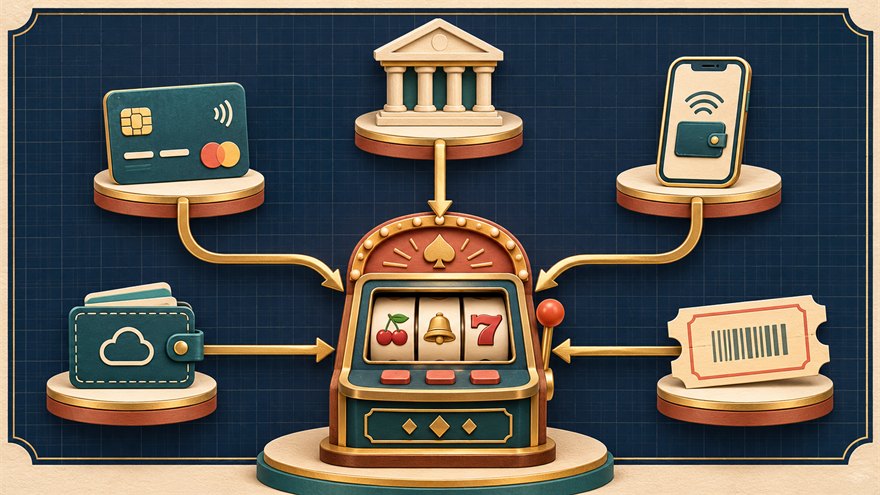
Ask whether the method is permitted, shown to your NZ account, available for deposits, available for withdrawals, and registered in your own name. Then identify who controls fees: the operator, card issuer, bank, wallet provider or currency converter. If any answer is missing from public terms, treat it as unknown and check the cashier before creating an obligation.
| Check | What it means |
|---|---|
| Debit card | Fast authorisation; issuer and merchant controls can still decline. |
| Bank transfer | Account details and settlement are central; deposit availability is not guaranteed. |
| Mobile wallet | A tokenised card wrapper, not automatically a withdrawal wallet. |
| E-wallet | May support both directions, subject to country and operator. |
| Prepaid voucher | Often one-way; plan a verified withdrawal route first. |
| POLi or pay-by-bank | Product and bank support must be checked live; reports conflict. |
The 2026 rules change the comparison
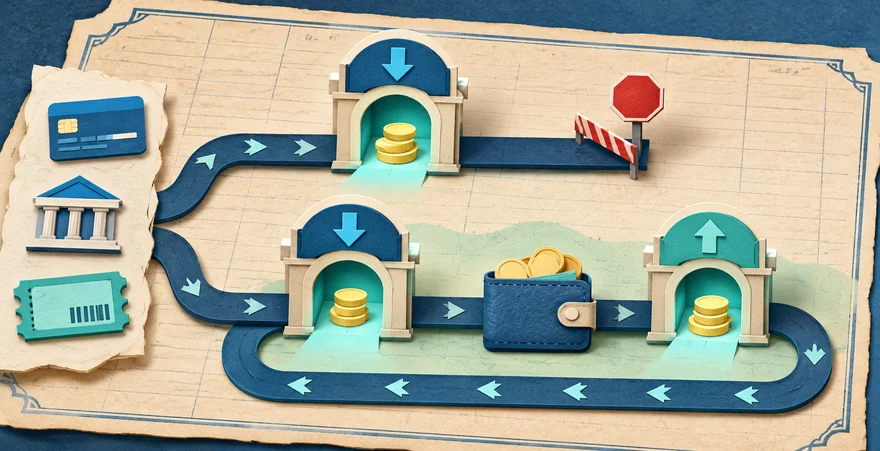
The enacted Regulations prohibit specified credit-based methods for the licensed regime. They also require one registered deposit method at a time, prevent changing it within 24 hours of registration, and allow a separate withdrawal method when return to the deposit method is not possible. These are platform duties, not a promise that every rail must be offered.
During the transition, offshore cashier screens may still differ. Do not infer future NZ compliance from a payment logo. The operator’s eventual NZ licence status and its account-specific cashier both matter.
Unknown is a useful answer
Public comparison pages frequently publish universal speeds and minimums. Those figures can hide operator review time, weekends, account currency, verification and the receiving provider’s own settlement. Casino Cashier NZ records “check cashier” where a current, primary source is not available. A blank or unknown value never means free, instant or unrestricted.
Practical checklist
- Record the account currency before depositing.
- Confirm whether the method can receive a withdrawal.
- Use only an account or instrument you own.
- Save the fee and limit screen with its date.
Questions and answers
Can I use a different withdrawal method?
The 2026 Regulations require licensed operators to allow a different registered withdrawal method if return through the deposit method is not possible, but the alternative still requires validation.
Does “instant deposit” mean instant withdrawal?
No. Deposit authorisation, operator approval and payout delivery are separate stages.
Are credit cards allowed?
The licensed regime prohibits credit contracts and specified credit-based payment methods. Check the exact current rule and whether a card is debit or credit.
Continue the route
- Online casino deposits in NZ: check the route before paying
- Online casino withdrawals in NZ: separate review from delivery
- Debit cards for casino payments in NZ: read the card and the route
- Bank transfers for casino payments in NZ: verify the rail
- Debit card or bank transfer for a NZ casino cashier?
Sources and checking notes
- Online Casino Gambling Regulations 2026 — Deposit methods, withdrawal handling, limits, account rules, consumer protection and marketing controls.
- Regulatory Impact Statement — consumer protection and payment methods — Policy analysis of credit, debit, bank, wallet, voucher and crypto methods; not a substitute for the enacted regulations.
- DIA — Information for online casino customers — Current transition, 1 December 2026 change, future public register and help contacts.
- NextDeposits — NZ casino payment methods — Comparable editorial page used for SERP gap analysis; product claims require re-checking.
Facts were checked on 2026-11-13. Product availability, limits and fees can change by account, payment provider and operator. No deposit, withdrawal or operator account was used for this research.
Gambling is for adults aged 18 and over. If gambling is causing stress or financial harm, call the free 24/7 Gambling Helpline on 0800 654 655 or text 8006. Partner advertising, where present, is labelled separately from the editorial guidance.